Background

Conference awards

Tuesday, 10 November, 2026 - 18:50

#ANGELConference2026: Best paper awards

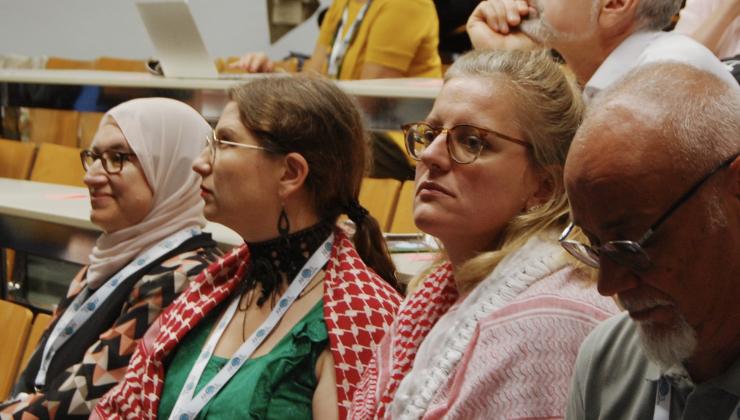
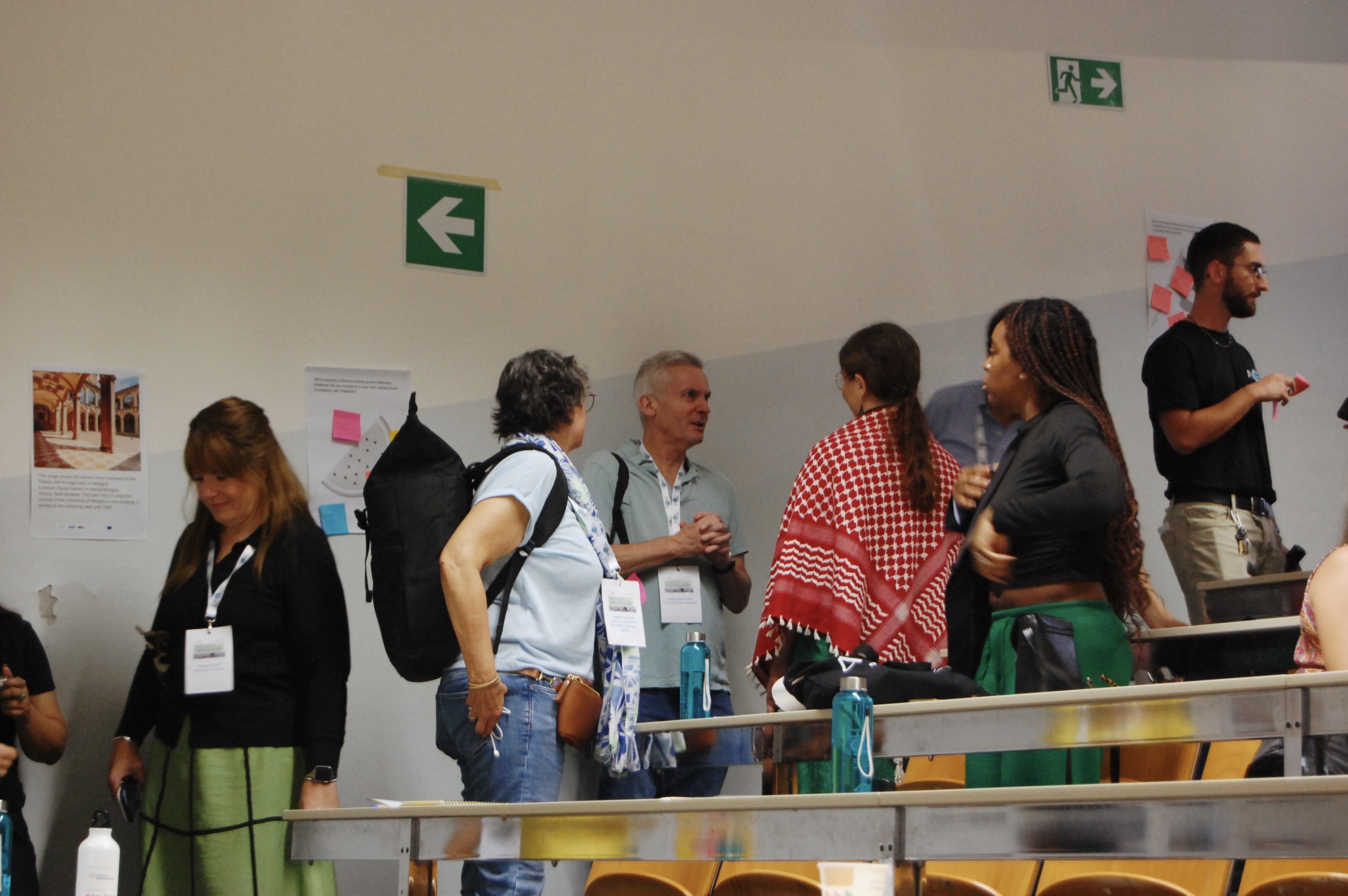
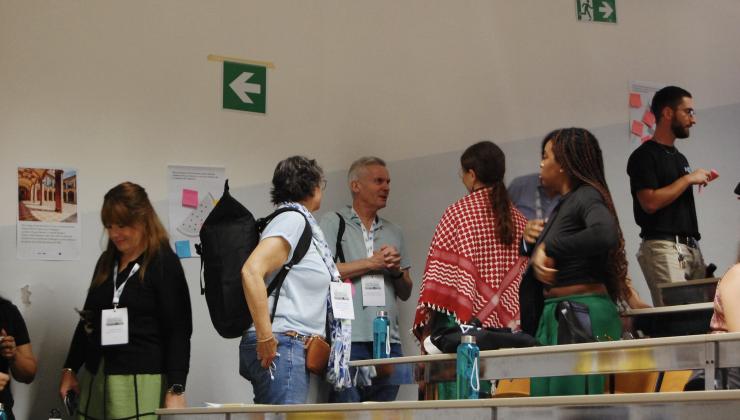
Offering a mixture of plenary sessions, workshops, symposia, paper presentations, and networking, ANGEL's recent conference in Bologna brought together academics, researchers, policy-makers, and practitioner-researchers from around the world for two exciting face-to-face days of sessions covering research, projects and discussion relevant to the transformative approaches associated with Global Education and Learning, including Development Education, Global Citizenship Education, Human Rights Education, Education for Sustainable Development, Education for Peace, and Intercultural Education.

We had so much exciting research presented in the course of 35 parallel sessions, and we encourage you to look through the Abstract Book, available on the conference webpage.

In line with ANGEL tradition, we asked session Chairs to nomimate the presentation that they found most stimulating in the session that they presided over. We are happy to confirm the outcomes of this informal process, with the nomination of two prizes: the 'Best Paper Award' and the 'Best Paper Award: Early Career Researcher'. Both researchers will be offered the chance to present something to the ANGEL community that furthers the conversation started by their presentation in Bologna!


Best Paper Award

Lynette Shultz (University of Alberta). ‘We Make the Road by Walking’: Global Education in a Post-Global World Order Through Conviviality, Counter-Coloniality, and Repair.

This paper explores the remnants of a globalized world order that promised rules-based progress toward solving world issues through human rights, effective international and global agreements, and overarching agreements for collaborative efforts to maintain peace and human development. Global educationists bring important knowledge about how people can work across difference, challenge systems of oppression, and engage in collective worldmaking for a liveable future on our planet. This paper uses an ethical frame of conviviality to highlight emerging education projects that point to onto-epistemic shifts in deep relational-based global education. Using case study methods to understand a purposely selected set of collaborative approaches to transforming education policy and practices addressing key global issues from climate change, food security, refugee, and anti-poverty, education projects are presented to highlight both the severity of the failed promises of globalization and also how emerging relations of conviviality are being formed as a transformative strength for counter-colonial, reparative and restorative worldmaking education. 
 

Best Paper Award: Early Career Researcher

Ana Radovic (Queensland University of Technology). Reimagining Global Citizenship Education: A Hopeful Vision from Culturally Diverse and Migrant Youth.

This paper presents culturally diverse and migrant youth's vision for an epistemically inclusive and socially just Global Citizenship Education (GCE), developed through a study informed by the transformative paradigm and decoloniality. Thirty-three culturally diverse and migrant young people (aged 15–25) living in Australia shared their lived experiences and perspectives on citizenship, global citizenship, and GCE through interviews, focus groups, and collaborative data analysis. Participants reflected on the challenges, joys, and complexities of connecting with their own and others' cultures, languages, faiths, and civic identities. The study culminated in the co-development of a conceptual framework that illustrates how GCE can be designed, facilitated, and supported to become more culturally responsive, epistemically inclusive, and socially just. Grounded in young people's perspectives, the framework offers practical insights into how GCE can better recognise diverse ways of knowing, foster meaningful intercultural dialogue, and strengthen young people's sense of belonging and participation. By foregrounding the voices and knowledge of culturally diverse and migrant youth, this paper contributes to ongoing efforts to challenge colonial legacies in global education and to reimagine GCE as a more inclusive and equitable educational practice. The framework also seeks to stimulate discussion about collaborative research with young people and how their insights can inform future policy, curriculum, and educational practice.
 

Background

The Academic Network for Global Education & Learning (ANGEL), in partnership with The University of Bologna, and with the cooperation of Global Education Network Europe and the UCL Institute of Education, will host our sixth international conference on 10 & 11th September 2026, at The University of Bologna, Italy. 

Photograph by Alessia Raucci
ANGEL Network,
Development Education Research Centre (DERC)
UCL Institute of Education
20 Bedford Way
London WC1H 0AL

Partner organisations

Carousel image attribution: "panoramio (2525)" by William “Patrick” Ma. Under CC 3.0

The establishment of this network and website has been made possible with funding support from the European Commission.
The activities and publications of the network are the responsibilities of the organisers, the Development Education Research Centre, and can in no way be seen as reflecting the views of the European Commission.